
Types of Toilets
By Thomas Masters · 7 min read
Types of Toilets: A Homeowner's Guide
Choosing a new toilet? Here's a plain-English look at the main configurations we install - how each one works, how the water connects, and the flush systems worth knowing about - with real photos from our jobs.
A toilet might seem like a simple fixture, but the way the pan and cistern connect makes a real difference to how it looks, how much it costs, and what's possible in your space. The one constant in every job is the drain location. That's the fixed point everything else works around.
There are really two decisions. First, the everyday type that sits in front of the wall. Then, if you're building or renovating, whether to conceal the cistern in the wall for a sleeker look. We'll cover both, how the water connects, and finish with flush systems.
In front of the wall
The everyday types
The most common toilets, with the cistern on show above the pan. These three can all be plumbed with either a bottom or rear water inlet (more on that below).
Linked Toilet
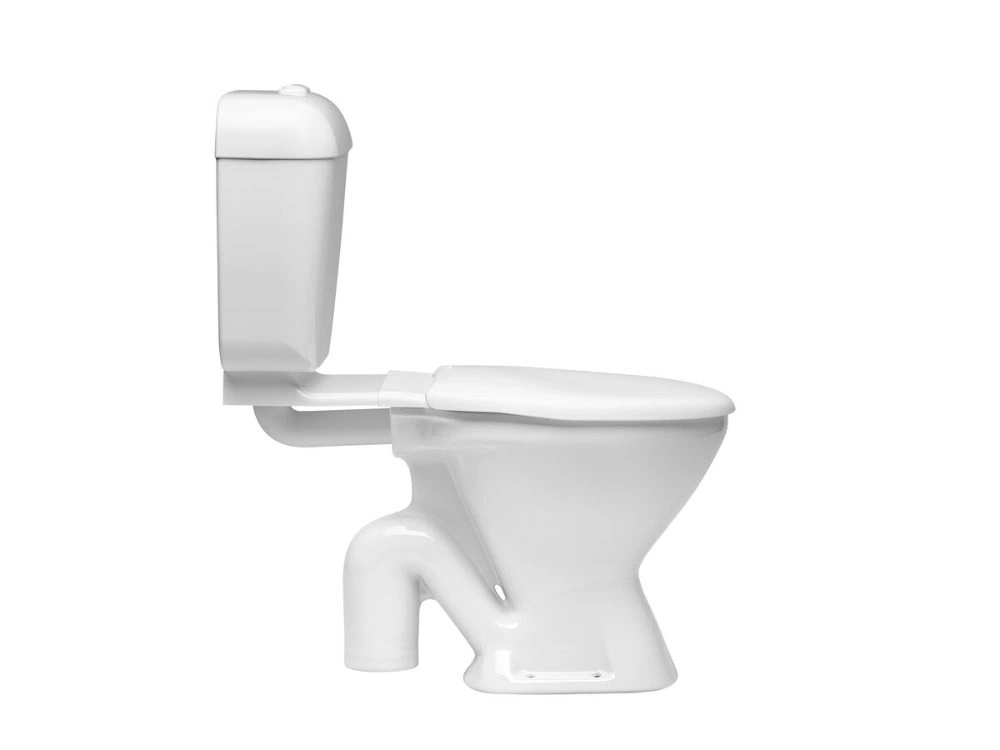
A linked toilet has a separate cistern connected to the pan by a short pipe. Because that pipe can be cut and adjusted, the pan can sit at slightly different distances from the wall, which makes this the most forgiving option when the drain isn't in a perfect spot.
Why homeowners choose it
- Flexible installation with an adjustable connecting pipe
- Pan position can be fine-tuned to suit the drain
- Usually the most economical choice
Close Coupled Toilet
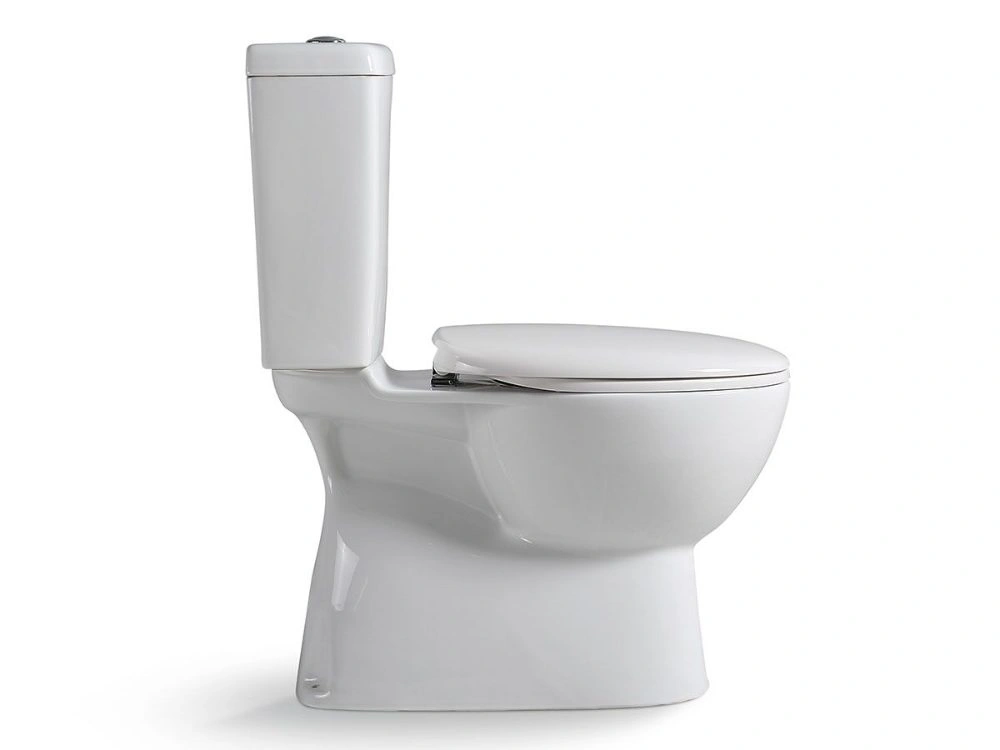
A close coupled toilet has the cistern sitting directly on top of the pan as one neat unit. The cistern and pan need to be a matching pair from the same range so they fit together correctly. It's a tidy, popular look for most family bathrooms.
Why homeowners choose it
- Cleaner, more streamlined appearance than a linked toilet
- Compact, a great all-rounder for most bathrooms
- Wide range of styles and prices available
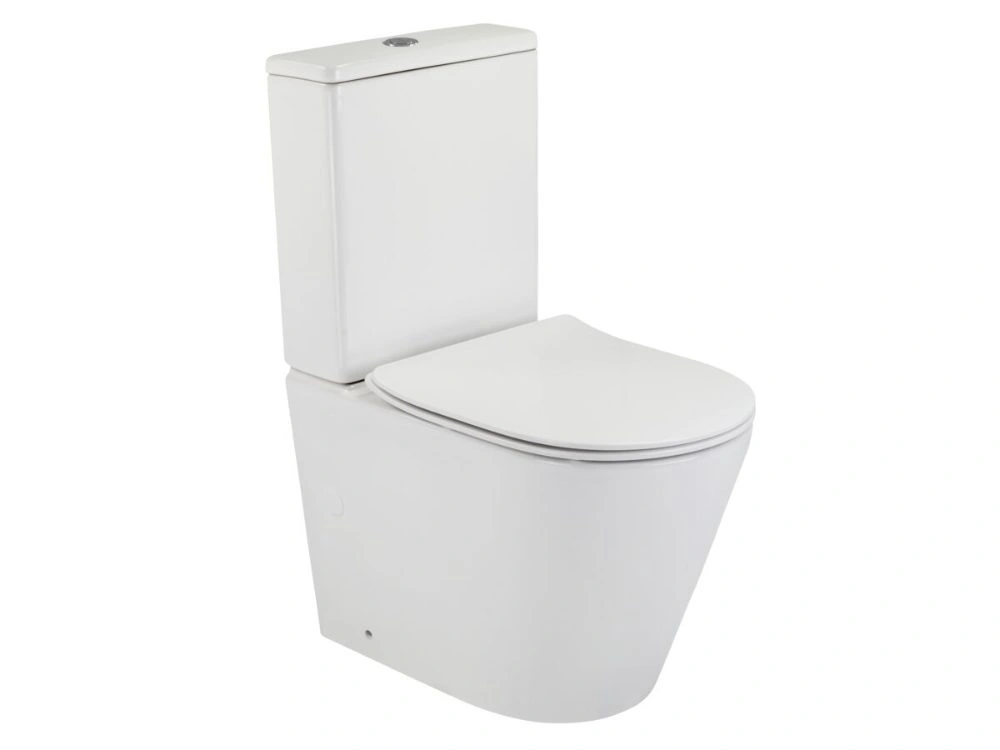
Back to Wall Toilet
A back to wall toilet has a pan shaped to sit flush against the wall, hiding the trap and pipework behind it, with the cistern still sitting on top. You get a neater, more streamlined look than a standard close coupled toilet while keeping a normal, easy-to-service cistern.
Why homeowners choose it
- Neater look, the pan hides the trap and pipes
- Easier to clean than an exposed-trap pan
- Keeps a standard, accessible cistern
Where the water comes in
Water inlet: bottom vs rear entry
Whatever the configuration, the cistern needs a water supply, and there are two ways it can connect. Many modern toilets are universal, meaning they can be plumbed either way to suit where your supply comes out of the wall or floor.
Bottom inlet
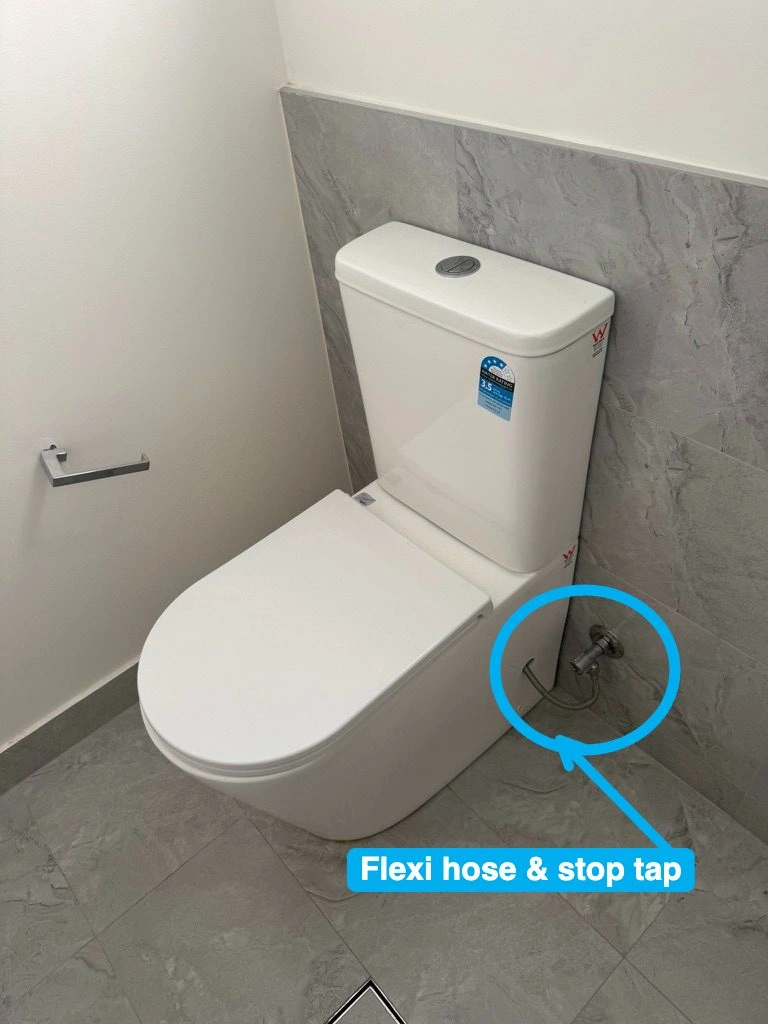
The supply connects to the base of the cistern, usually through a flexible hose and a visible stop tap near the floor. Easy to access and service, with the connection on show beside the pan.
Top / rear entry
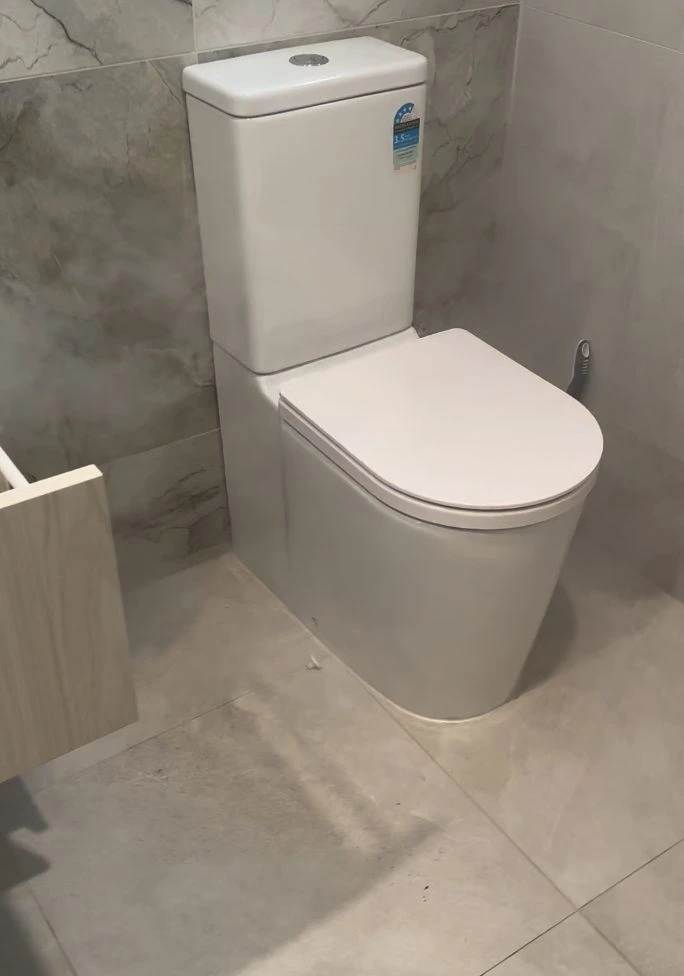
The supply feeds in from behind or the top of the cistern, hidden from view. No hose or stop tap on show, for a cleaner, tidier finish, popular where looks matter.
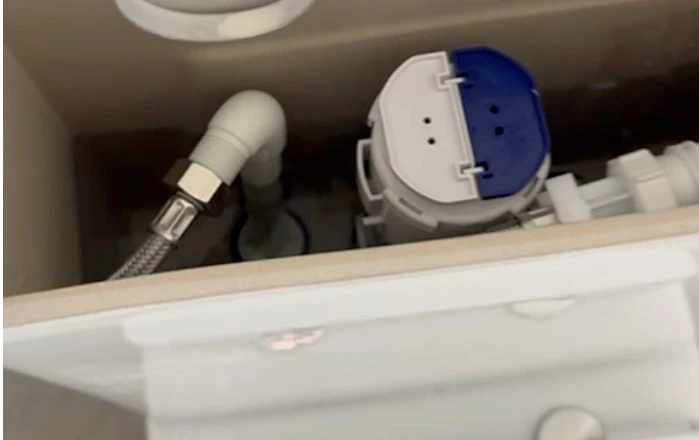
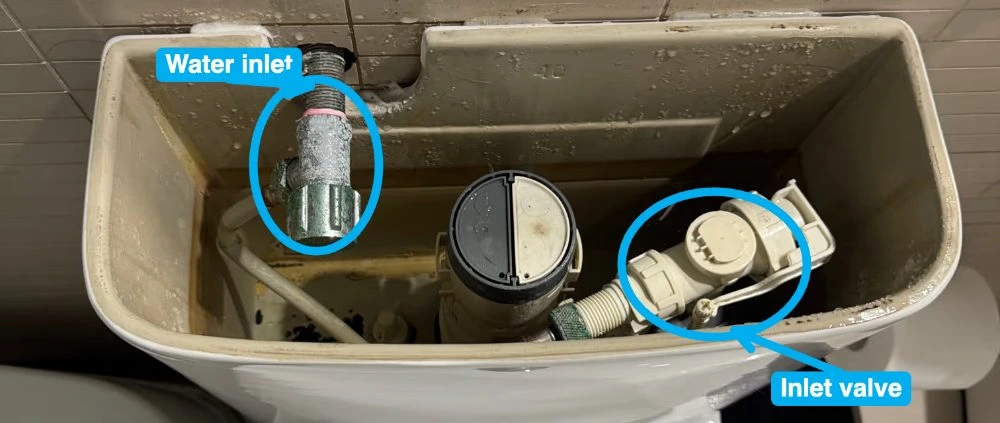
Decided at new build or reno
Concealed cistern options
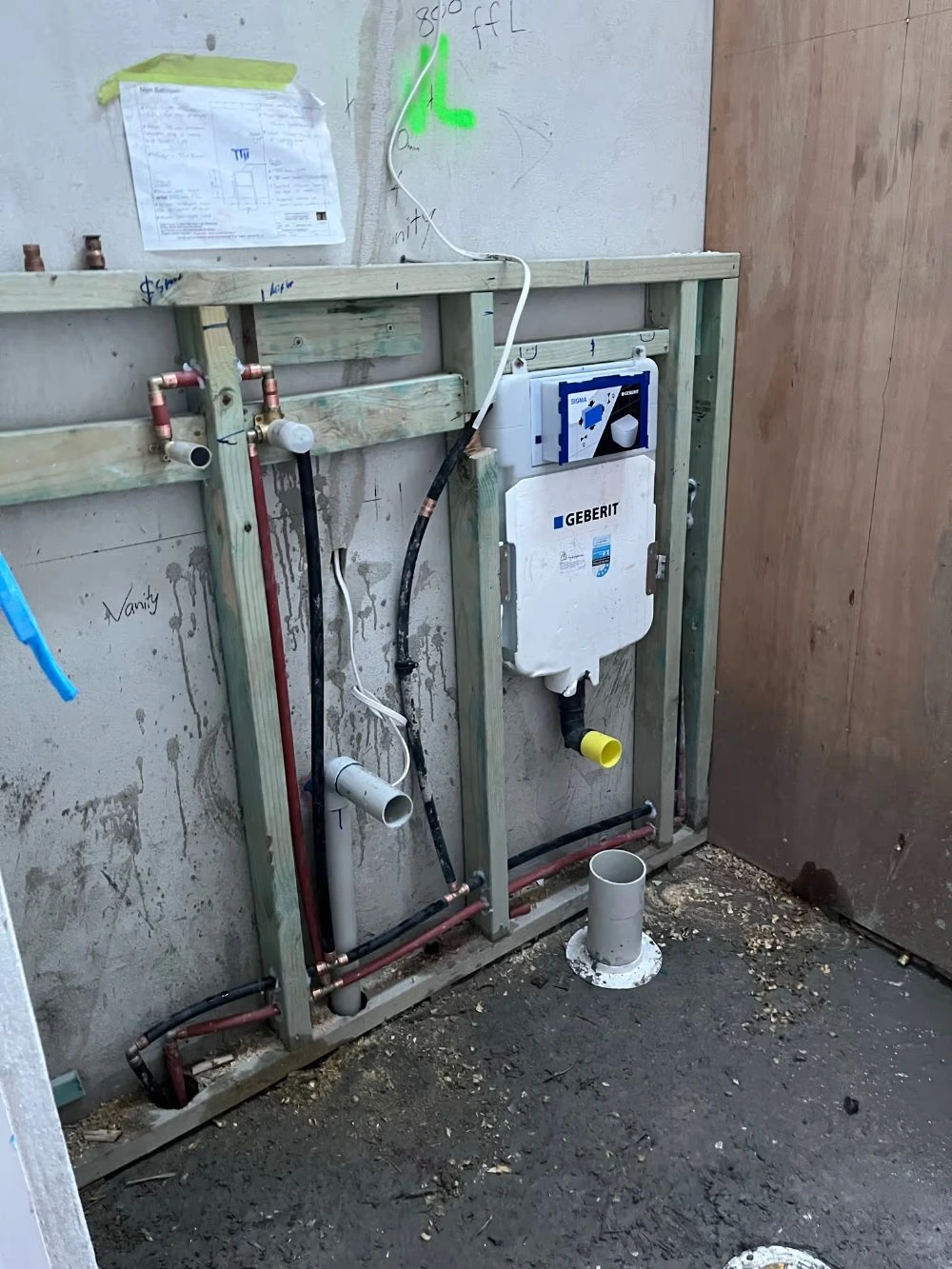
Hiding the cistern in the wall gives the cleanest look, but it has to be roughed in before tiling, so these are choices to make early, when you're building or renovating.
In-Wall Cistern Toilet
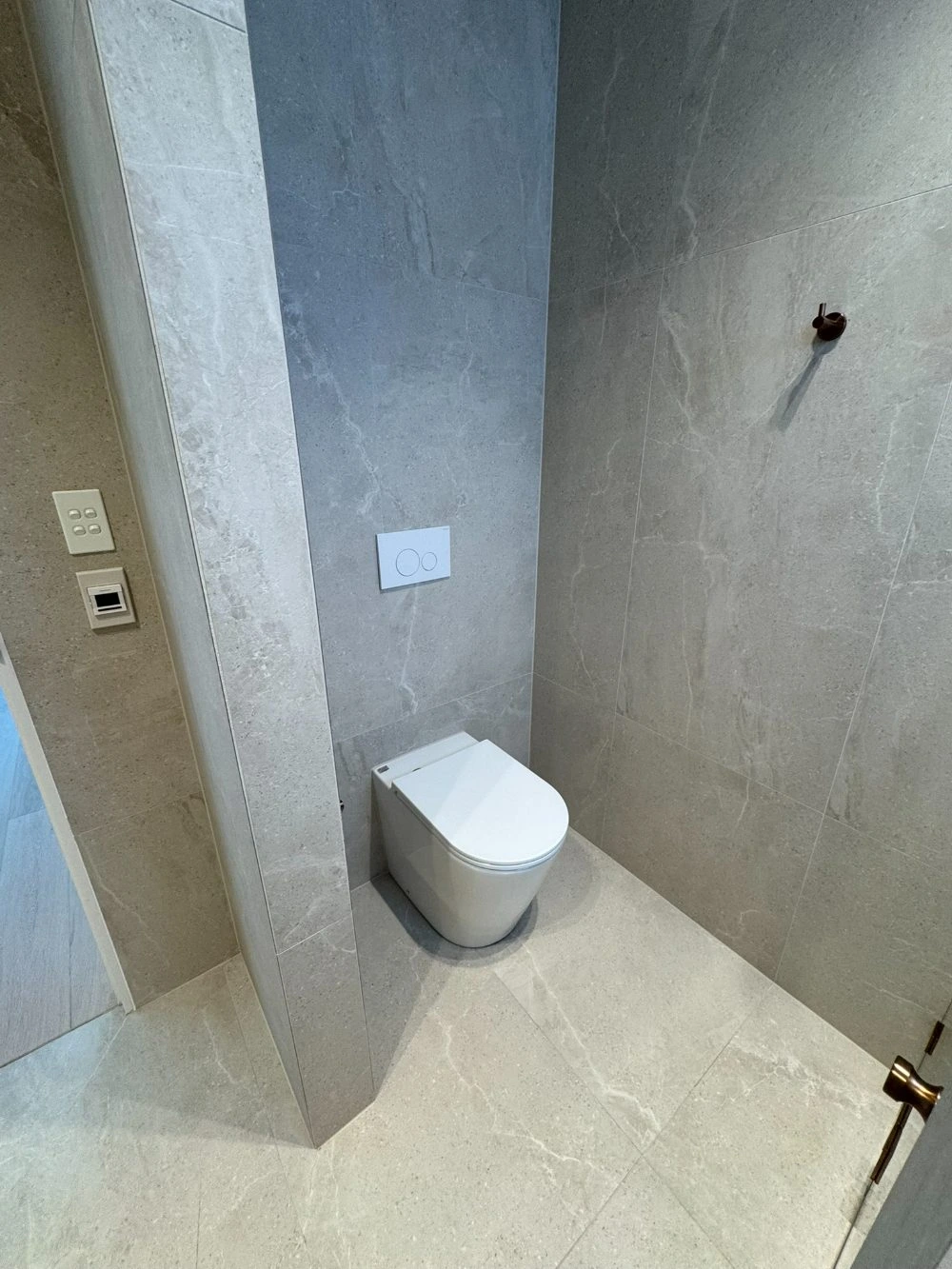
Here the cistern is hidden inside the wall on a steel frame, with only a slim flush button plate on show. The pan still stands on the floor, so it reads like a back to wall toilet but with nothing visible above it, a clean, modern finish.
Why homeowners choose it
- No visible cistern, just a flush plate on the wall
- Sleek, contemporary look
- Floor-standing pan, so no weight limit concerns
Wall Hung Toilet
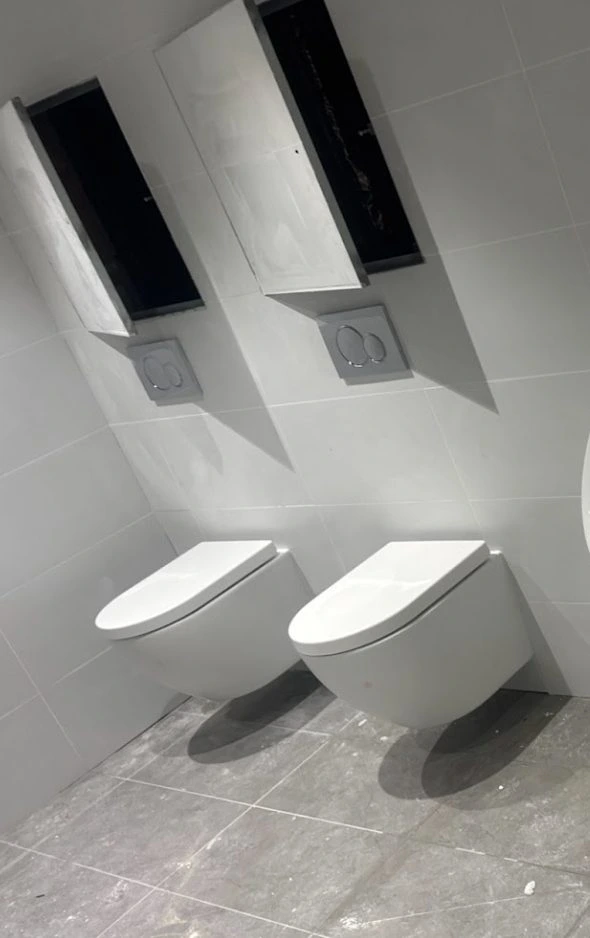
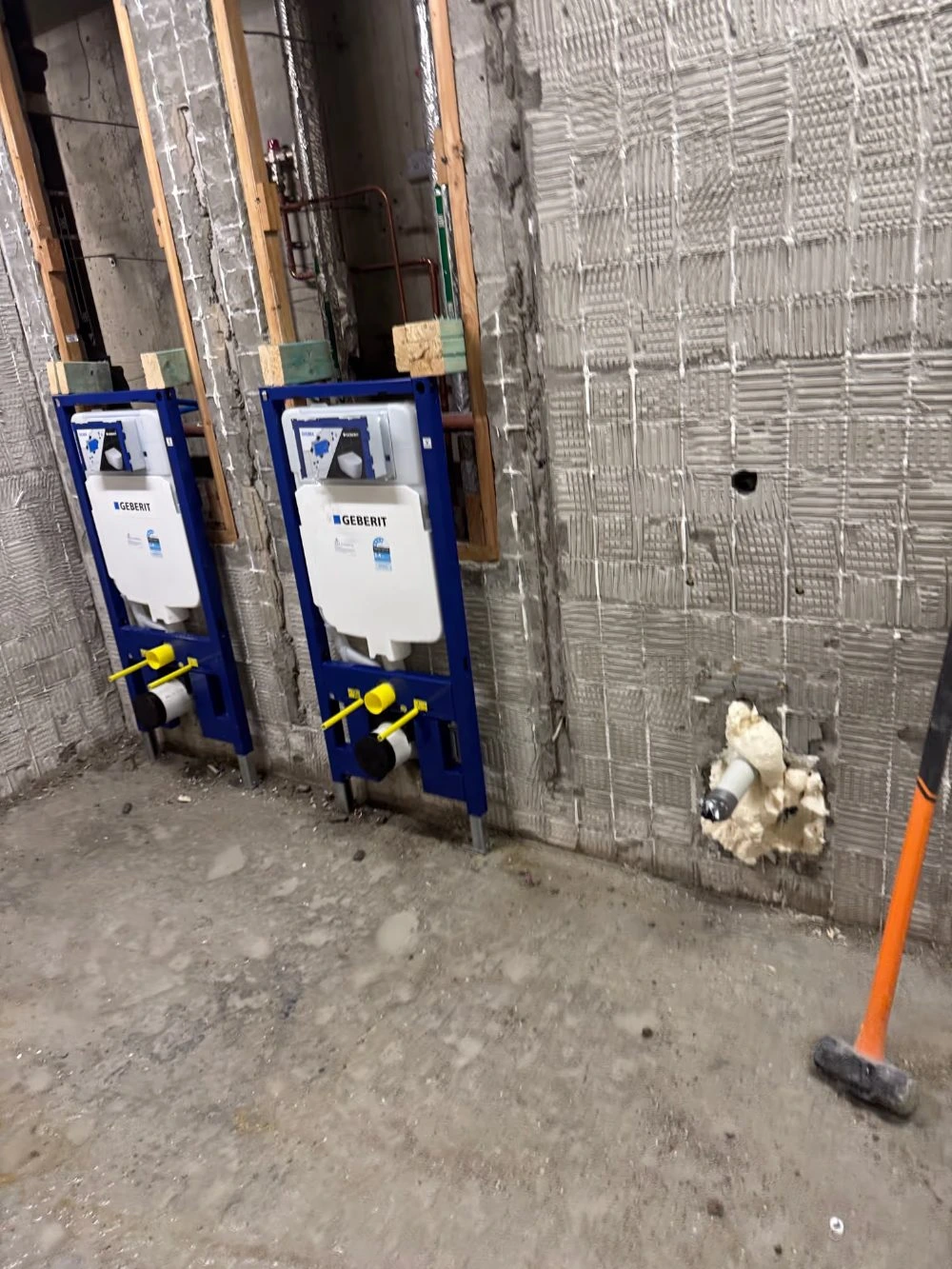
A wall hung toilet goes one step further. The pan bolts onto a steel frame inside the wall and floats clear of the floor, with the cistern hidden behind the tiles. It's the cleanest, most premium look available, and nothing touches the ground so mopping underneath is effortless.
Why homeowners choose it
- Floats off the floor, the easiest of all to clean under
- The most premium, high-end look
- Cistern and pipework completely hidden
- Pan height can be set to suit the household
Going into more detail
Flush systems: rimless bowls
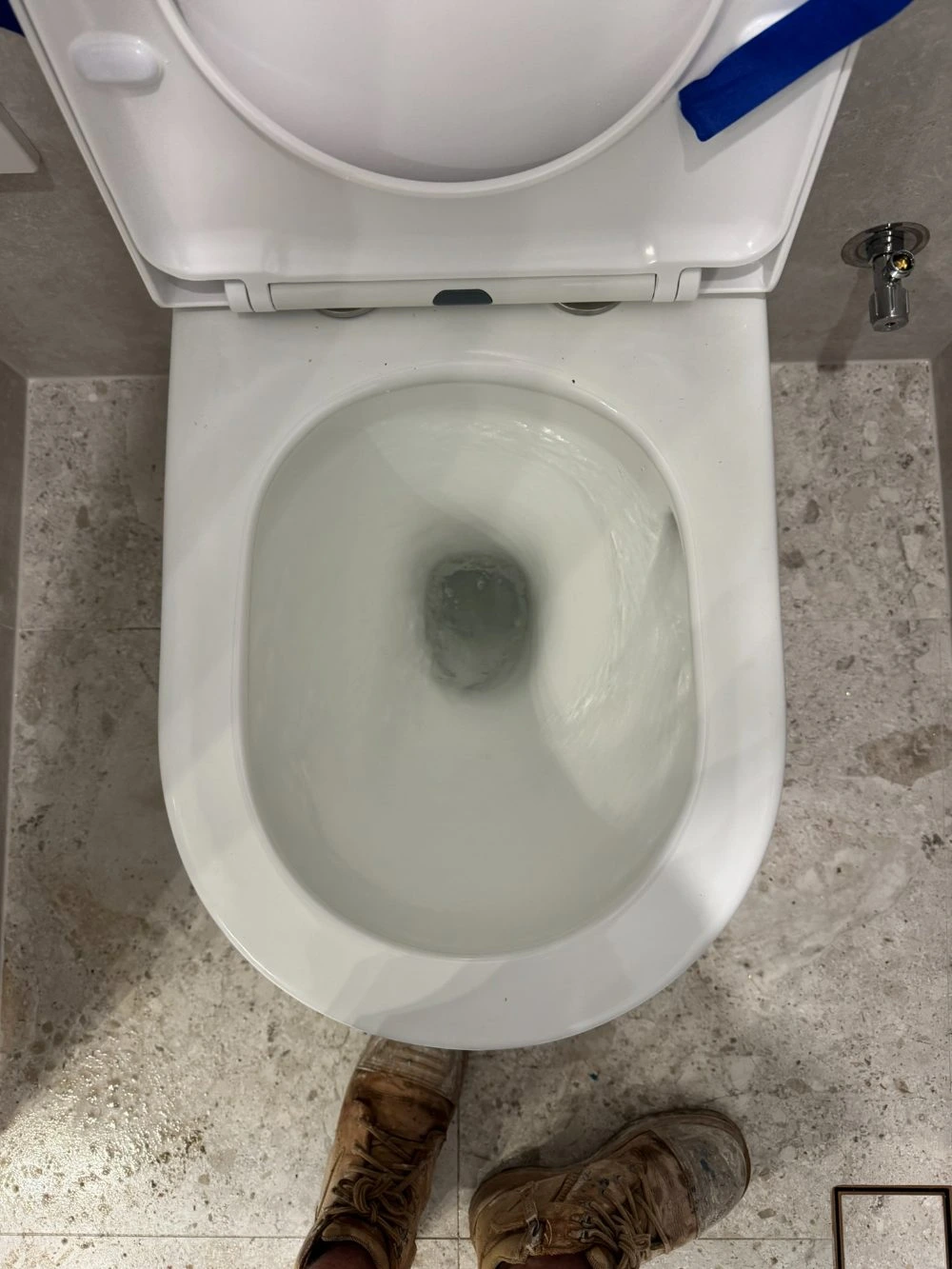
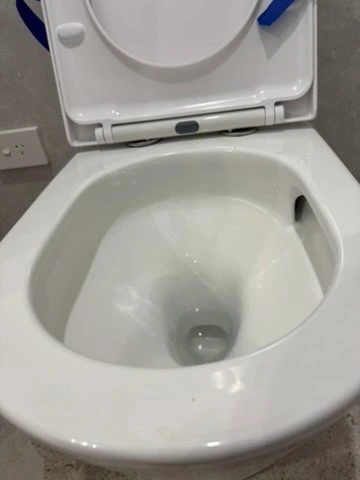
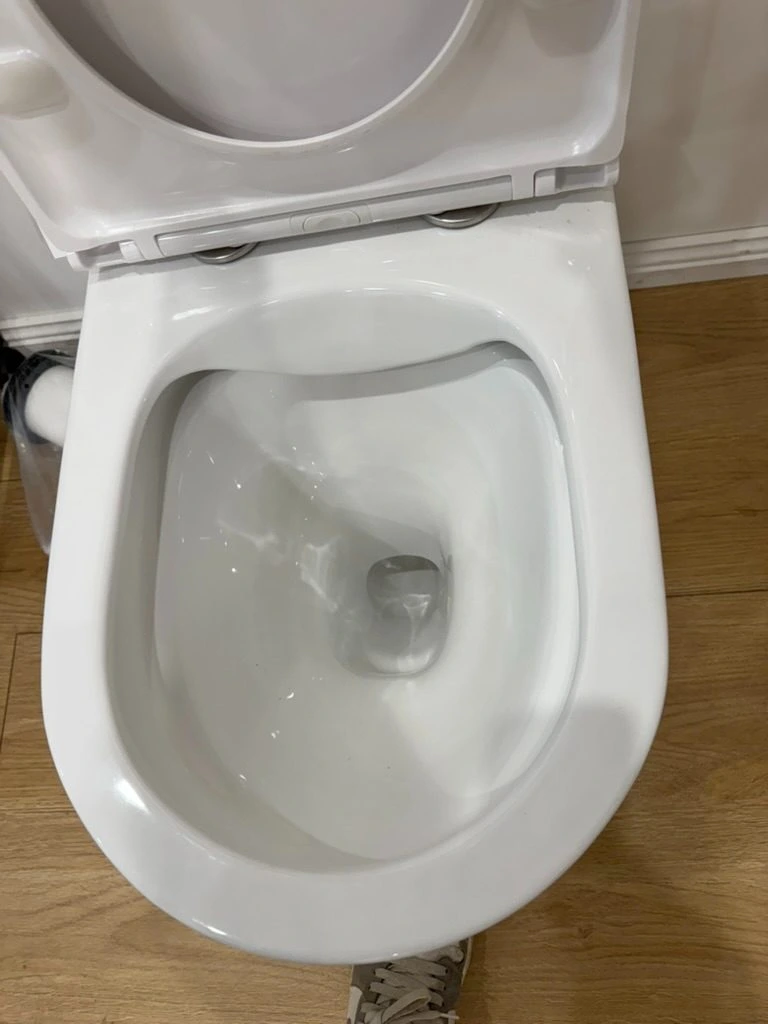
Beyond the pan and cistern, how a toilet clears the bowl matters just as much. The best modern bowls are rimless. There's no hidden channel under the rim where grime can hide. But not all rimless bowls flush the same way. There are two you'll come across, and they move the water quite differently.
Tornado flush
A single powerful jet sends the water spiralling right around the bowl in a swirl, like a whirlpool. The spinning action scrubs the whole surface in one go.
Standard rimless flush
No swirl here. Instead the water is released from both sides at the front of the bowl, where the two streams meet and run back down the middle. It still rinses the whole bowl, it just moves the water front-to-back rather than spinning it around.
Why rimless is worth having
- No rim means fewer hidden spots for grime and bacteria, far more hygienic
- Both flush styles rinse more of the bowl than an old rimmed toilet
- Quieter and typically more water-efficient than an older rimmed flush
Thinking about an outdoor shower? Read our Outdoor Shower Options Guide
Not sure which one suits your bathroom?
Every bathroom is different, and the right choice often comes down to your existing drain position, wall construction and the look you're after. If you're planning a replacement or a renovation, we're happy to take a look and talk you through the best option for your space with up-front pricing and no hidden extras.
Need a toilet repaired, replaced or installed?
Local, licensed and friendly, with a 12-month workmanship guarantee.